
Malaysia · Singapore
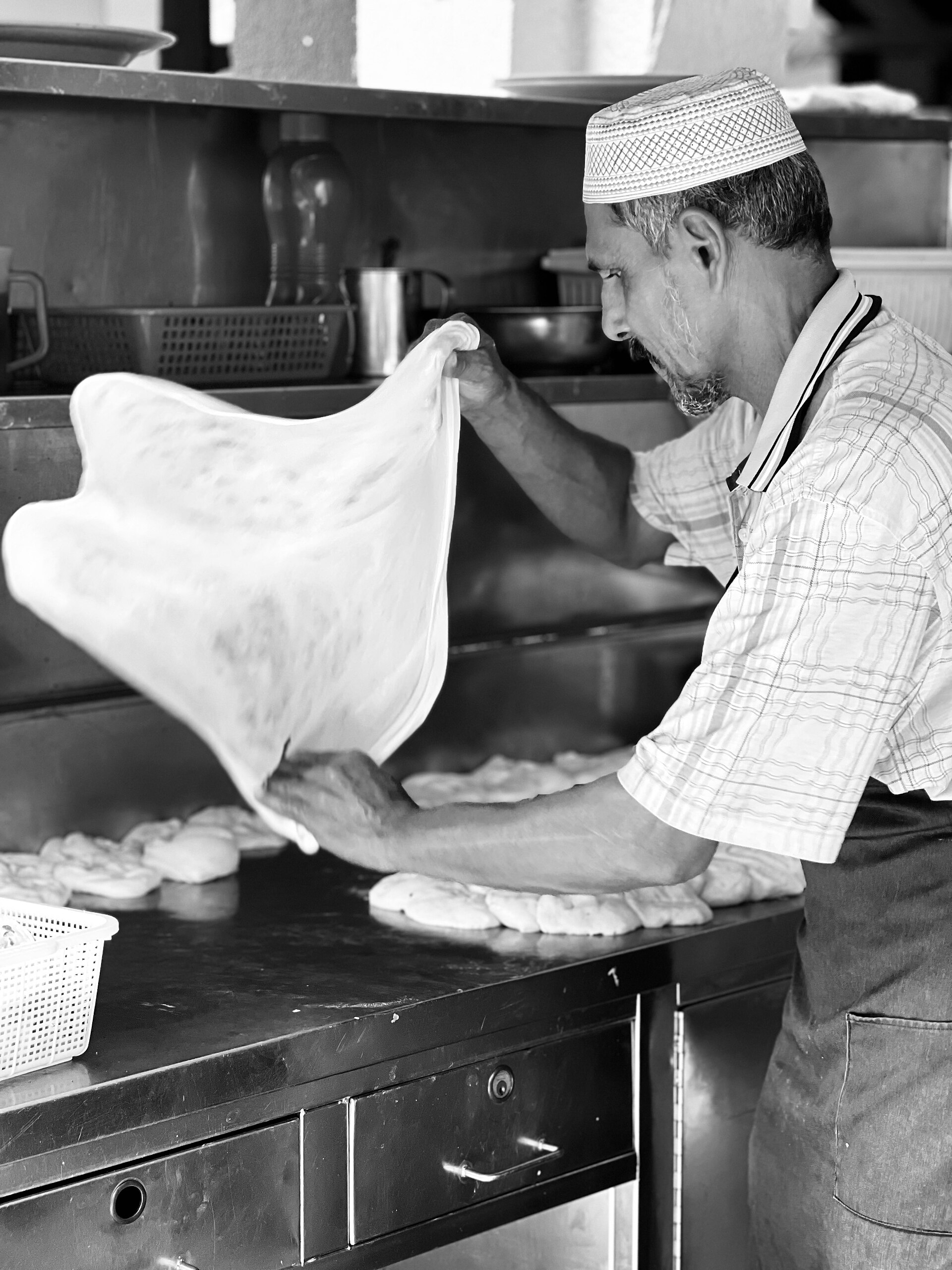
Roti canai: the flatbread that crossed an ocean
You think roti canai is Malaysian. The name says otherwise.
Most of these dishes were not born where you think. Almost all of them were born in more than one place.
Think of the dish you call your own. Now follow it backwards. It came by boat. Or it came with a family who moved for work. Or it came with a trader who stayed.
That is the story of almost everything on this desk. Noodles travelled with Chinese traders. Flatbreads came with Tamil Muslim cooks. Coconut rice started as a farmer's meal by the sea. Coffee got its roast from Hainanese cooks who had worked in British kitchens.
Every dish here is loved in more than one country. That is not a problem to settle. That is the story. A dish that crossed a strait belongs to both shores.
We tell each origin the same way. What you thought you knew. What the name means. Where it began. How it spread. Then why it matters. One short story at a time.
Malaysia · Singapore
You think roti canai is Malaysian. The name says otherwise.
Malaysia · Singapore
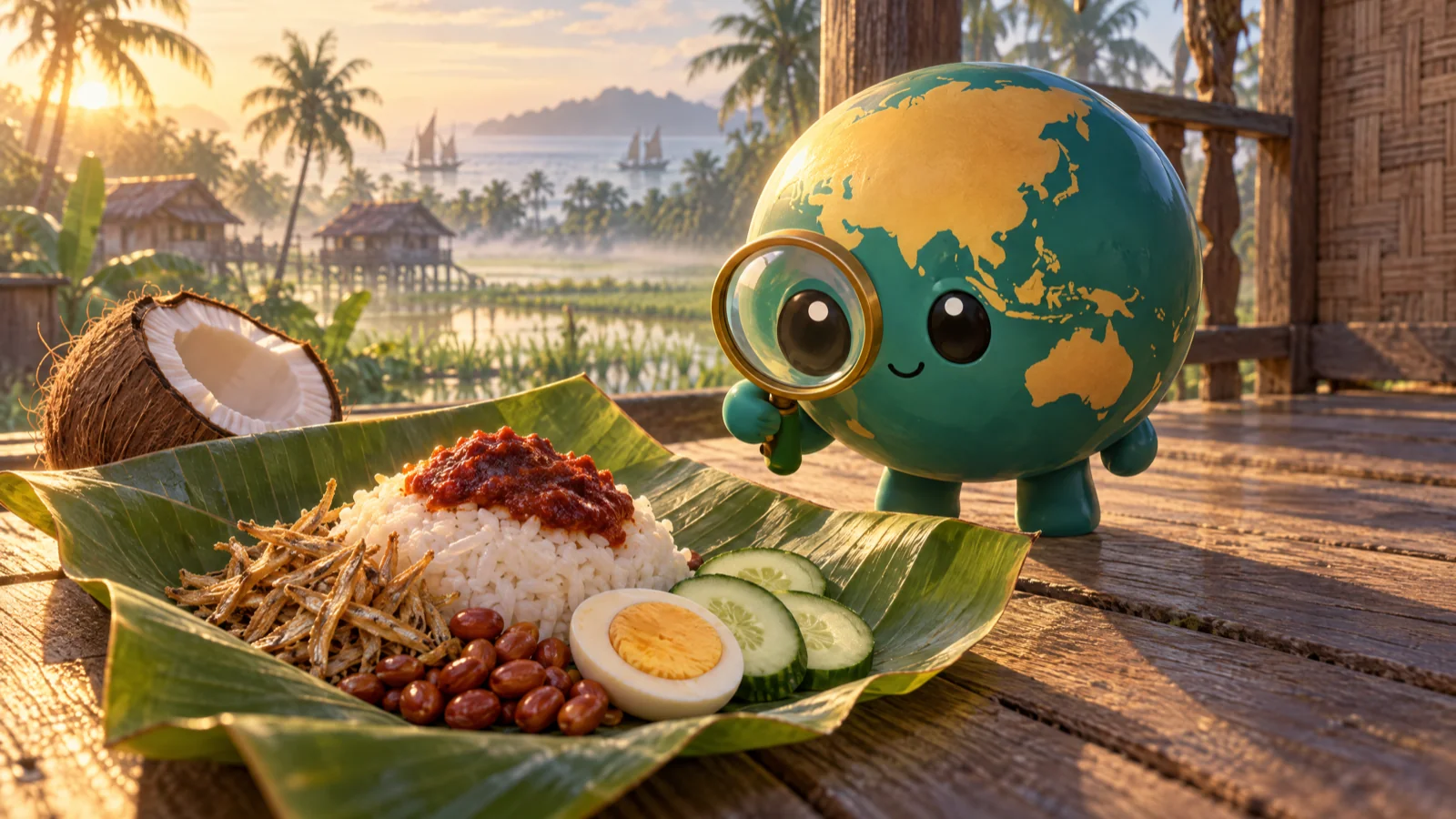
It began as a hearty breakfast for Malay farmers. Its first print record is from 1875: a Malay-French dictionary defines it as rice cooked with coconut milk.
| Nasi lemak: the farmer's coconut rice first printed in 1875 | It began as a hearty breakfast for Malay farmers. Its first print record is from 1875: a Malay-French dictionary defines it as rice cooked with coconut milk. | Malaysia · Singapore |
|---|
| Roti canai: the flatbread that crossed an ocean | You think roti canai is Malaysian. The name says otherwise. | Malaysia · Singapore |
|---|
A new story publishes every weekday.
The daily edition
Get every new story in your inbox
One short story a day, free. Be first to hear when our YouTube channel launches.
No spam. Leave with one click, any time.