
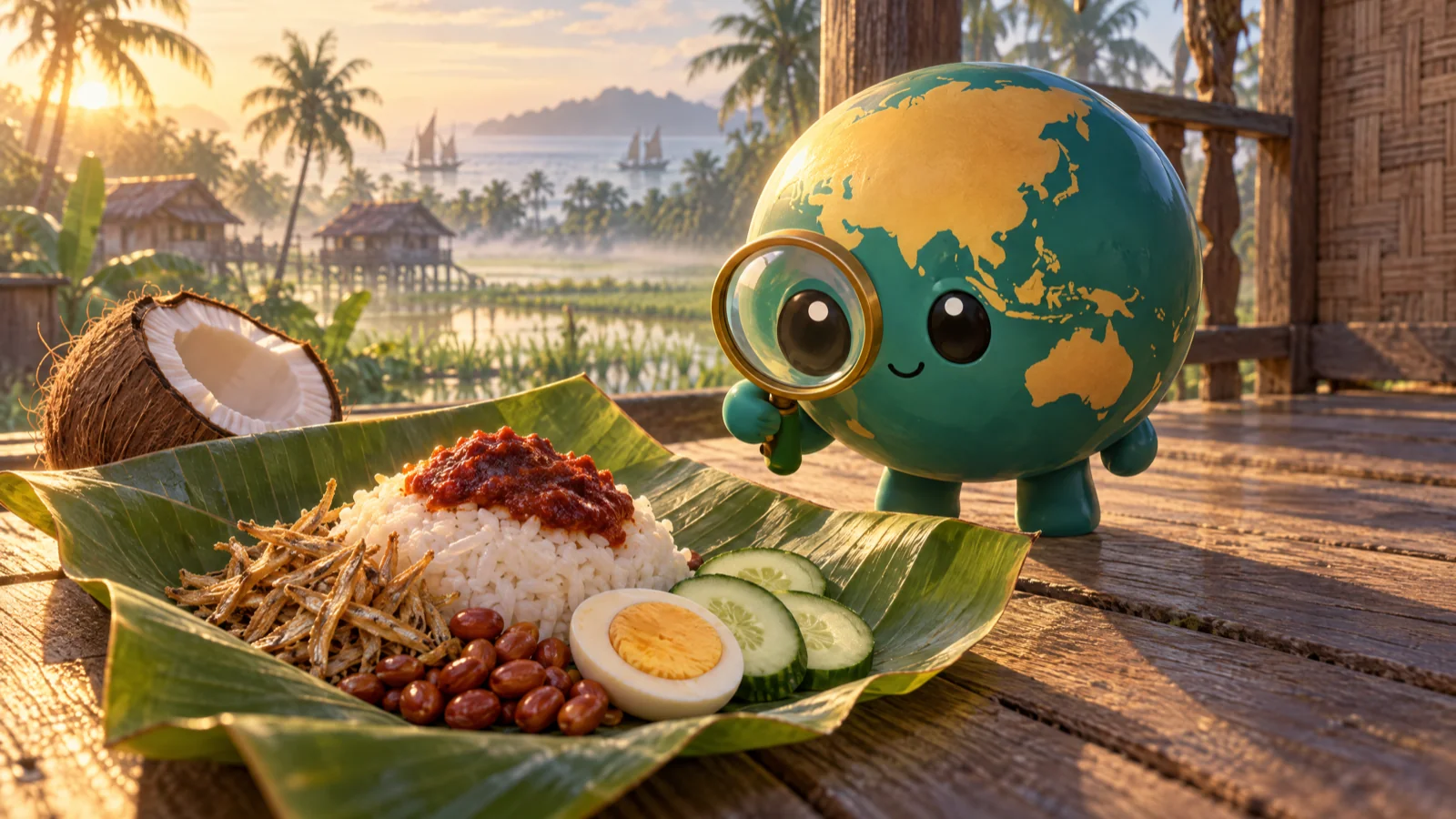
Nasi lemak: the farmer's coconut rice first printed in 1875
It began as a hearty breakfast for Malay farmers. Its first print record is from 1875: a Malay-French dictionary defines it as rice cooked with coconut milk.
Every rice dish here started with a problem. Feed a family, keep the meat, use what you have.
Rice is the plate everything else sits on. But each rice dish on this desk began as an answer to a problem.
Nasi lemak began as a simple coconut rice meal for farmers and fisherfolk on Malaysia's west coast. Rendang takes its name from a Minangkabau word for slow cooking. The method kept meat for months with no fridge. It came from West Sumatra long before it became festive food across the Malay world.
The dishes changed as they moved. A farmer's breakfast became a nation's. A preserved meat became a feast.
This desk follows each dish from the first pot to the plate you know.
It began as a hearty breakfast for Malay farmers. Its first print record is from 1875: a Malay-French dictionary defines it as rice cooked with coconut milk.
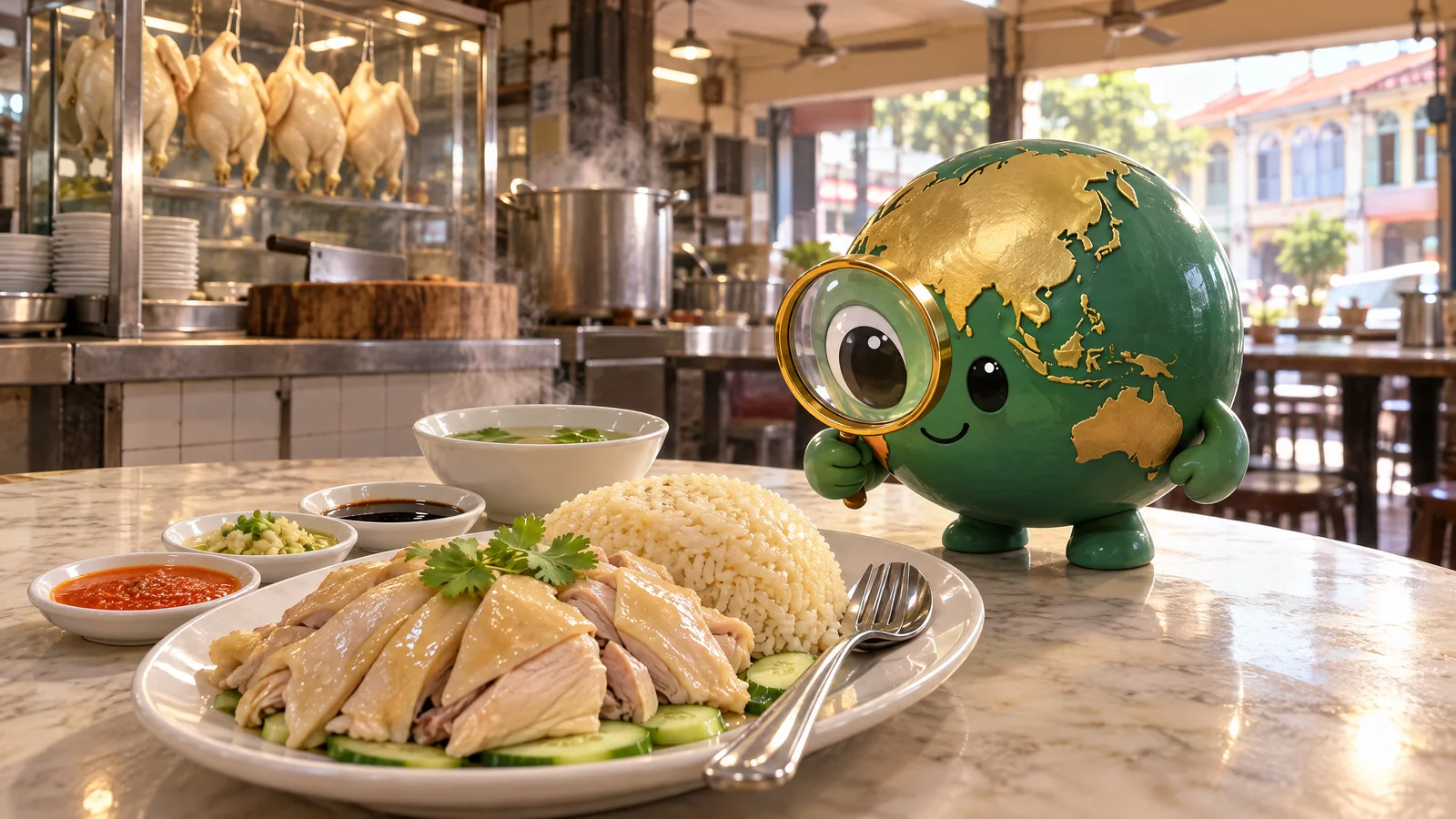
The dish starts with Wenchang chicken from Hainan island. Hainanese cooks reworked it in 1920s and 1930s Singapore into the chicken rice plate you know today.
Philippines
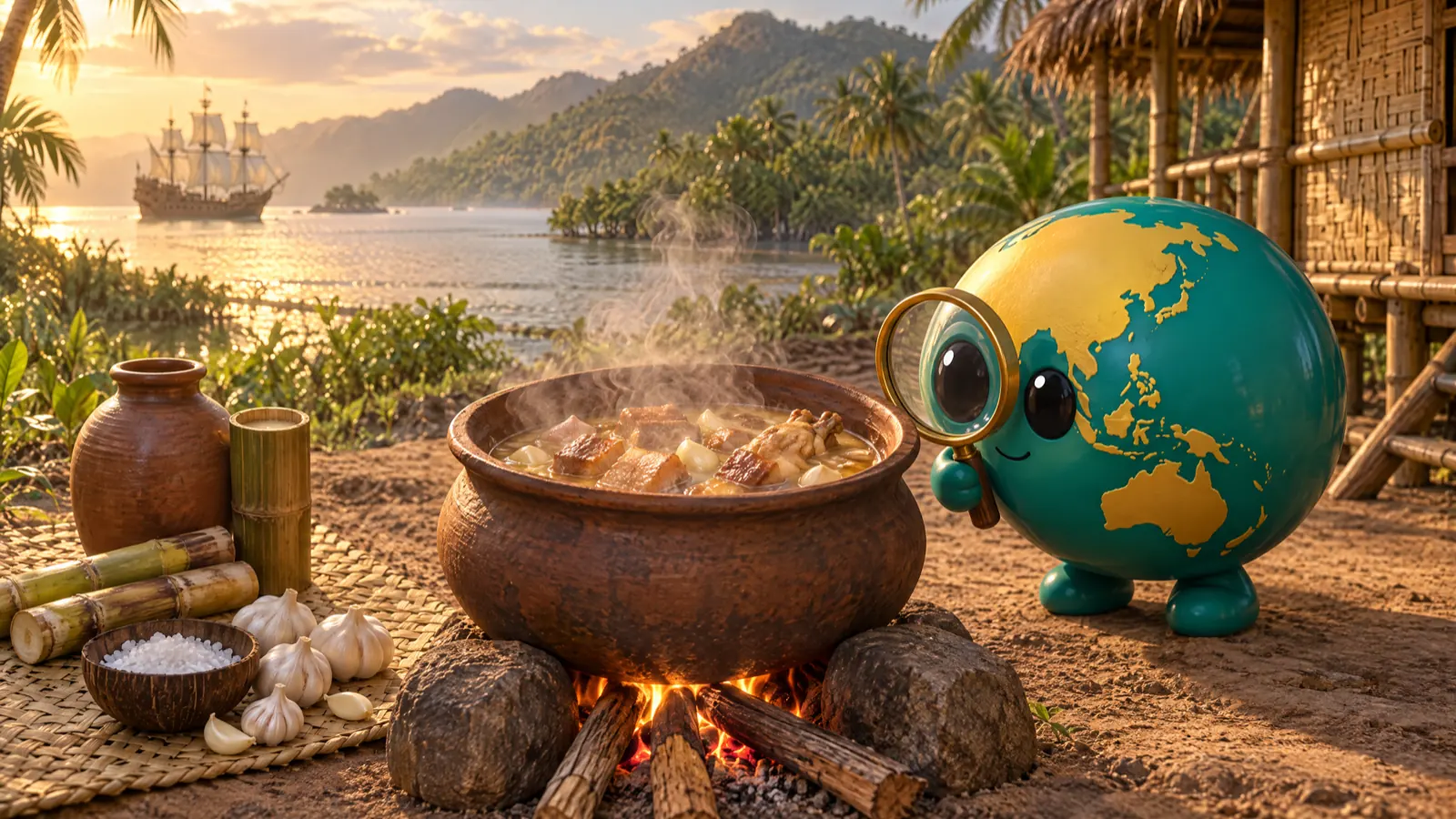
Long before the Spanish came, Filipinos kept meat in vinegar and salt. Spanish chroniclers gave it a word they knew: adobo, meaning marinade.
| Nasi lemak: the farmer's coconut rice first printed in 1875 | It began as a hearty breakfast for Malay farmers. Its first print record is from 1875: a Malay-French dictionary defines it as rice cooked with coconut milk. | Malaysia · Singapore |
|---|---|---|
| Hainanese chicken rice: from Wenchang to Singapore | The dish starts with Wenchang chicken from Hainan island. Hainanese cooks reworked it in 1920s and 1930s Singapore into the chicken rice plate you know today. | Singapore · Malaysia |
| Adobo: a Filipino method with a Spanish name | Long before the Spanish came, Filipinos kept meat in vinegar and salt. Spanish chroniclers gave it a word they knew: adobo, meaning marinade. | Philippines |
A new story publishes every weekday.
The monthly email
Get the best new stories once a month
One short email a month, free. Be first to hear when our YouTube channel launches.
No spam. Leave with one click, any time.