
Indonesia · Malaysia · Singapore · Thailand
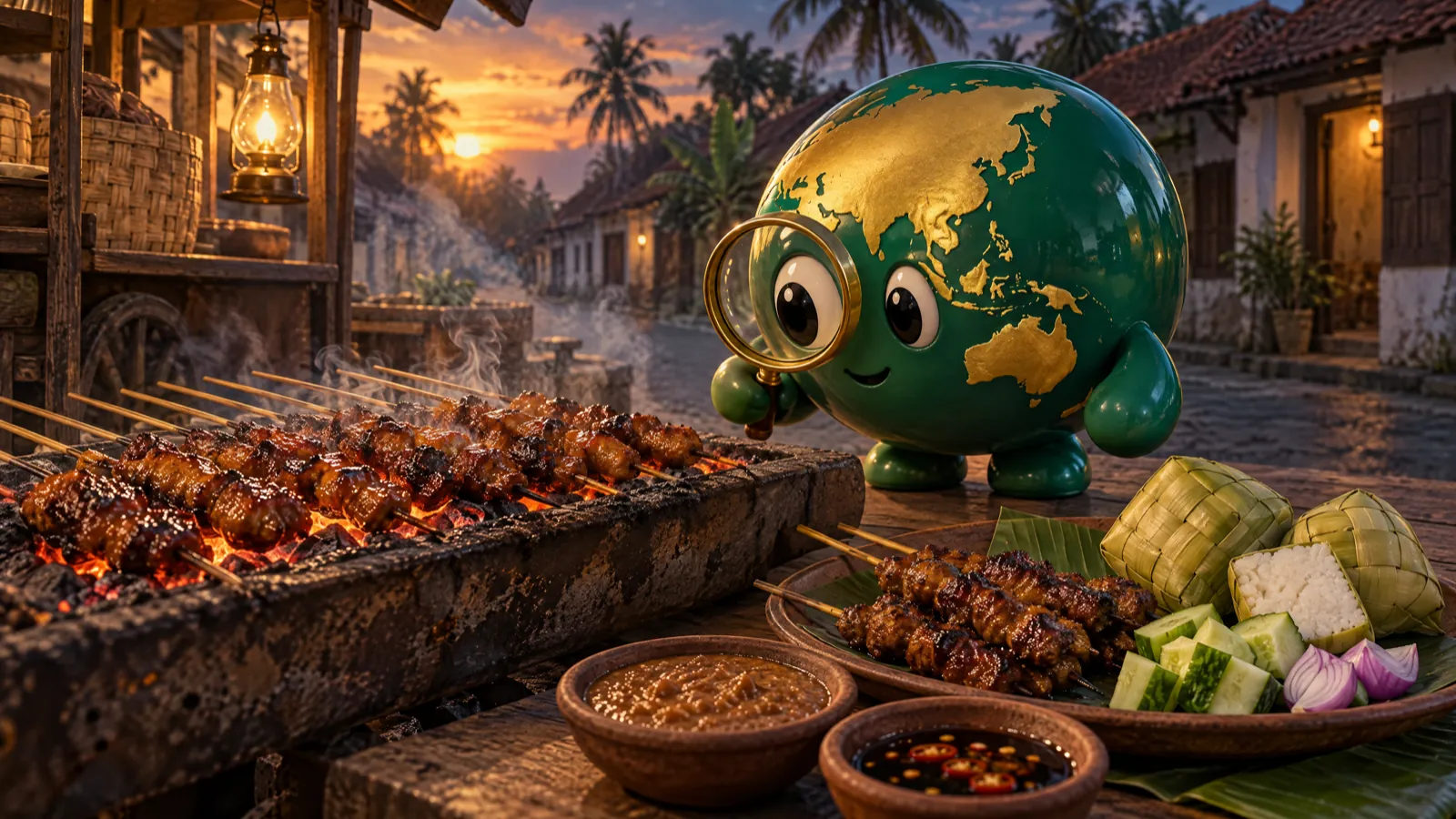
Satay: a kebab reworked on the streets of Java
Satay is thought to come from the Indian kebab, itself from the Turkish one. Java's street cooks reshaped it before it crossed the strait.
Some of these dishes have a named inventor and a decade. Most street food cannot say that.
Street food usually has no birth certificate. This desk is different. Some of these dishes have a named cook and a decade.
Others are older and travelled further. Satay is thought to have grown out of the Indian kebab. That kebab was itself a reworking of the Turkish shish kebab. Street vendors on Java made it their own. By the late 1800s it had crossed the Strait of Malacca.
So this desk holds two kinds of story. The hawker who invented a dish in living memory. And the skewer that carried centuries of trade.
Both get the same treatment. Short, plain, and checked.
Indonesia · Malaysia · Singapore · Thailand
Satay is thought to come from the Indian kebab, itself from the Turkish one. Java's street cooks reshaped it before it crossed the strait.
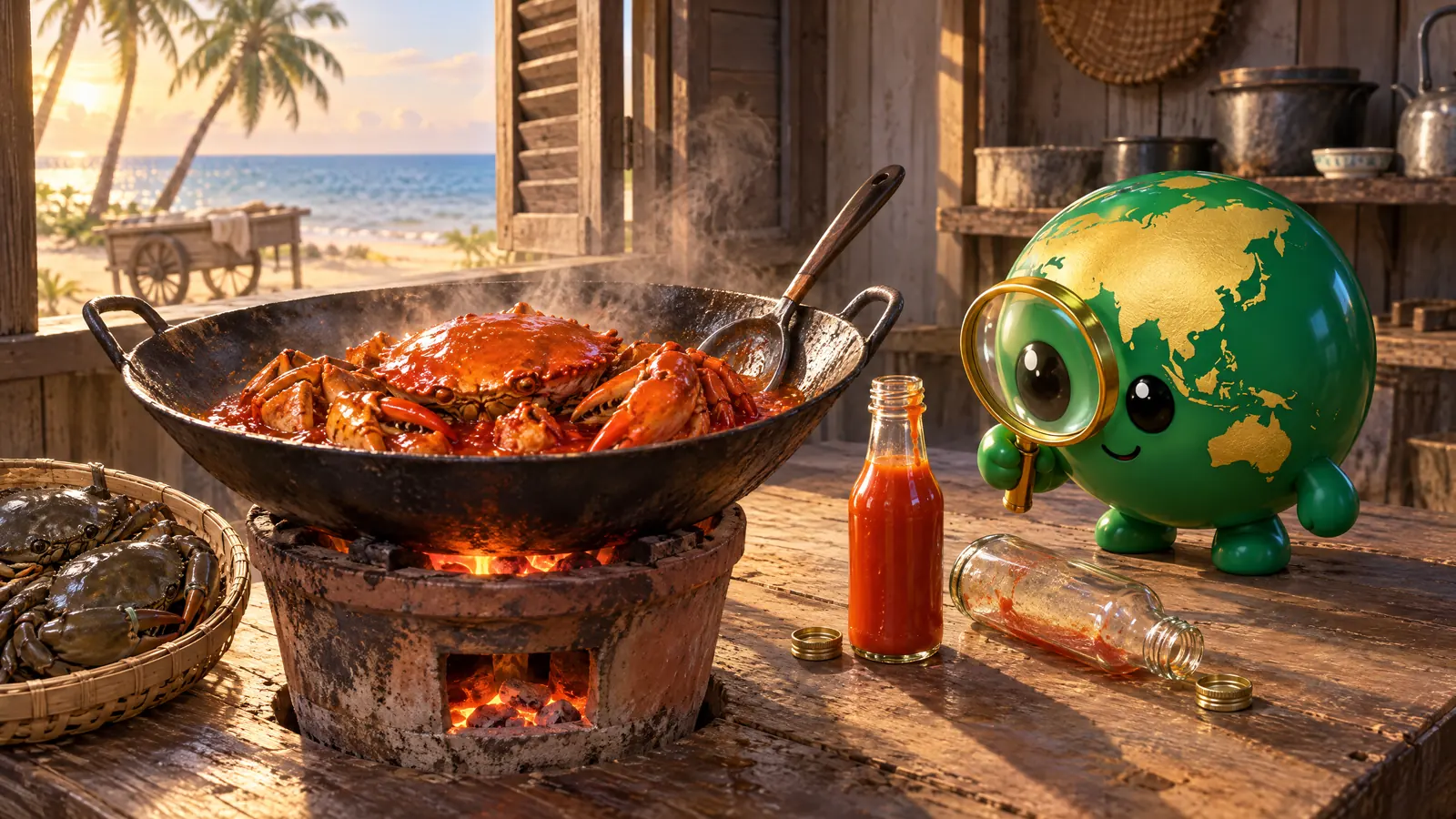
A home cook in 1950s Singapore was frying crab and had no bottled tomato sauce left. Chilli sauce went in instead, and a signature dish began.
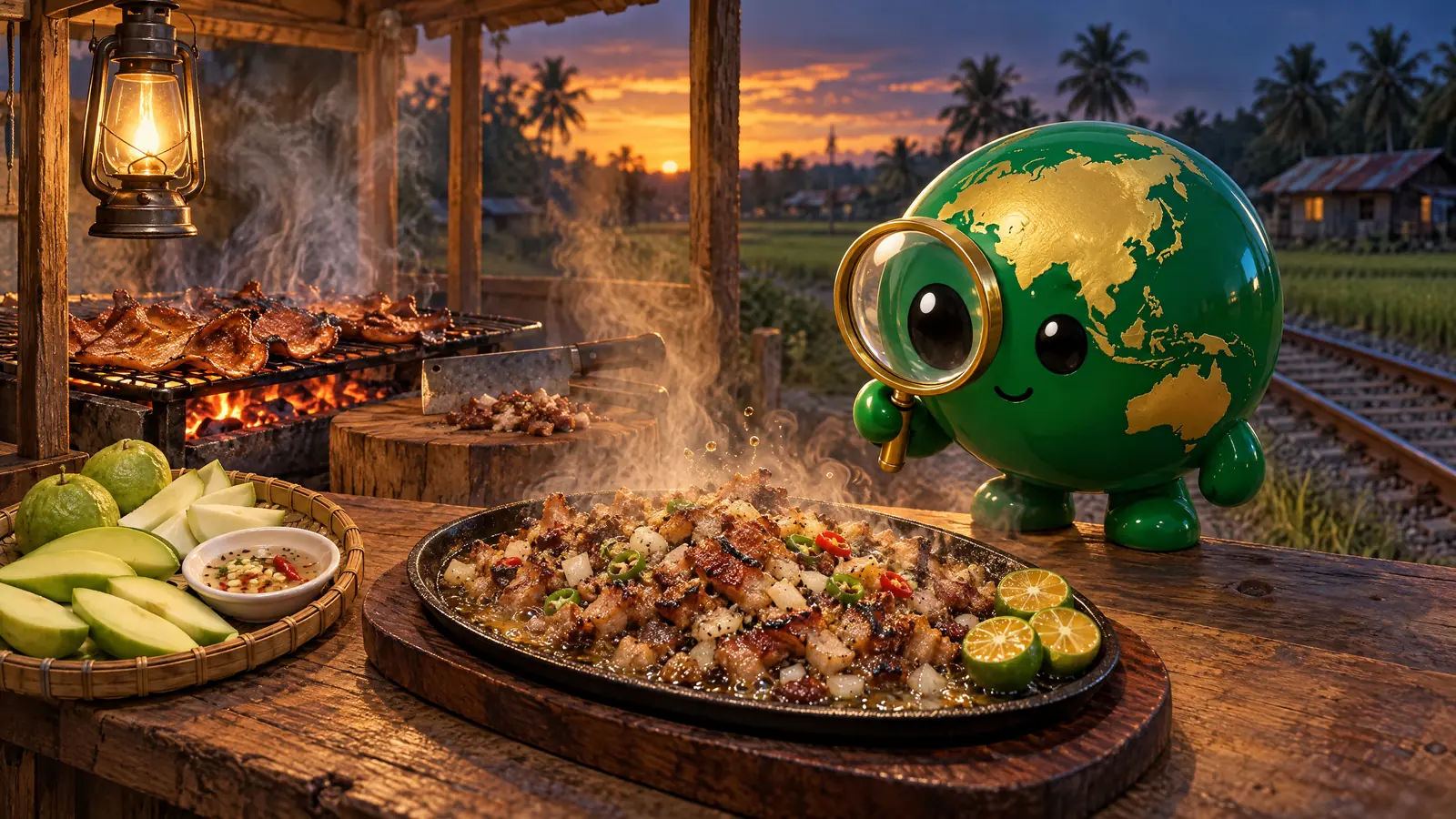
The old Tagalog name means to make sour, and it began as a relish. In 1974, a Pampanga cook made the sizzling pork version from airbase scraps.
| Satay: a kebab reworked on the streets of Java | Satay is thought to come from the Indian kebab, itself from the Turkish one. Java's street cooks reshaped it before it crossed the strait. | Indonesia · Malaysia · Singapore · Thailand |
|---|---|---|
| Otak-otak: why a fish parcel is named after brains | Otak means brain in Malay. The name points to the soft, custard-like texture of this fish paste wrapped in banana leaves. It is believed to come from Palembang. | Malaysia · Singapore · Indonesia |
| Sisig: from sour relish to sizzling plate | The old Tagalog name means to make sour, and it began as a relish. In 1974, a Pampanga cook made the sizzling pork version from airbase scraps. | Philippines |
| Popiah: a thin pancake that left Fujian | The name means thin pancake in Teochew. Hokkien and Teochew migrants brought it from Fujian and filled it with what their new home grew. | Singapore · Malaysia |
| Chilli crab: born when the tomato sauce ran out | A home cook in 1950s Singapore was frying crab and had no bottled tomato sauce left. Chilli sauce went in instead, and a signature dish began. | Singapore |
| Rojak: a mixed salad with roots in a 901 CE inscription | Rojak simply means mixture in Malay. A Javanese inscription from 901 CE already names rurujak, an early form of the fruit salad you know. | Singapore · Malaysia · Indonesia |
| Bak kut teh: a dockworkers' meal traced to a 1938 ledger | The earliest solid trace of bak kut teh is a Singapore tea merchant's 1938 ledger, not a newspaper. We follow that clue, and the family tales from Klang too. | Malaysia · Singapore |
A new story publishes every weekday.
The monthly email
Get the best new stories once a month
One short email a month, free.
No spam. Leave with one click, any time.