
Indonesia · Malaysia · Singapore · Brunei
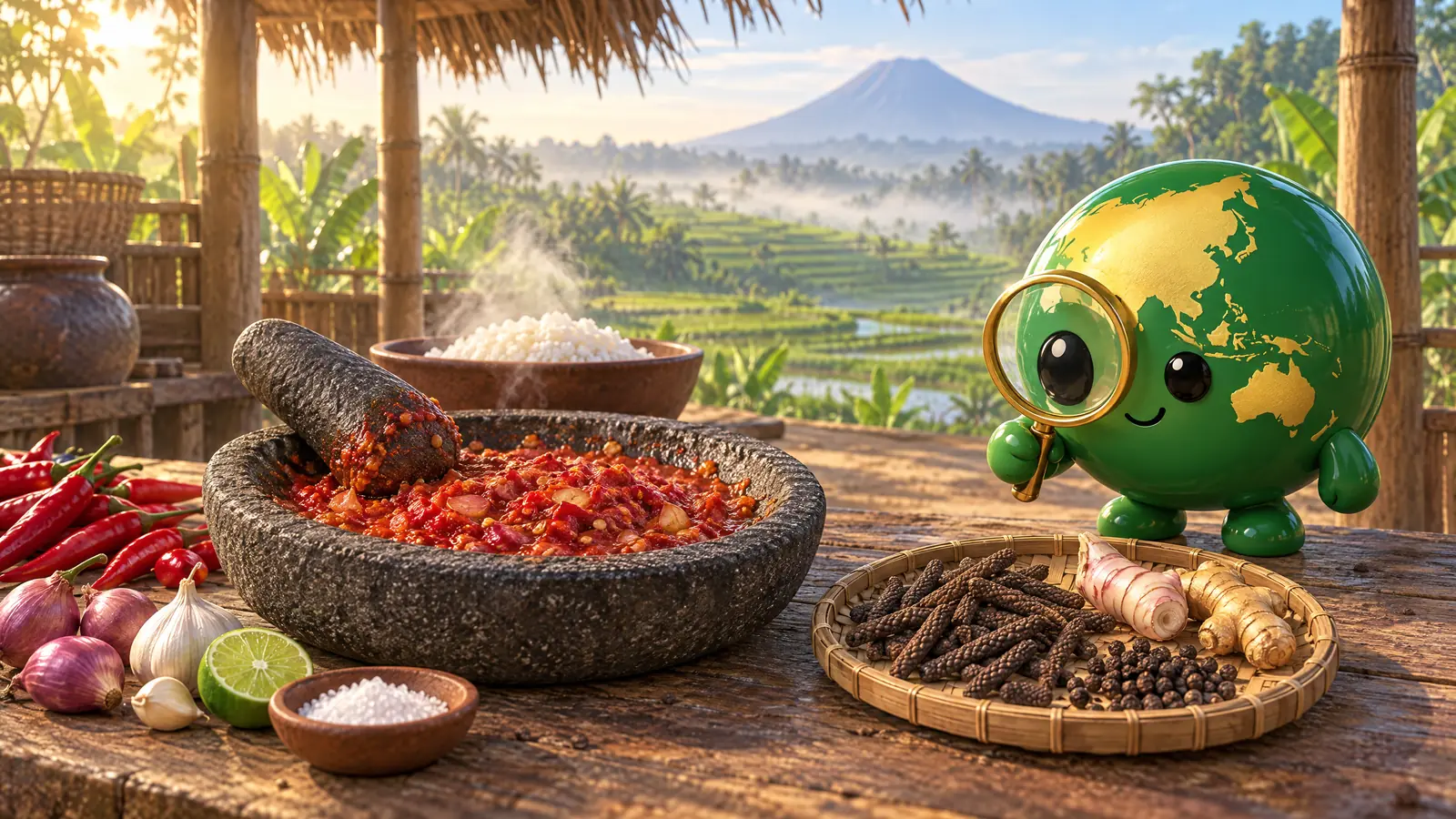
Sambal: the sauce that came before the chilli
The name comes from Javanese sambel. Chillies only reached these shores from the Americas in the 1500s, with Portuguese traders.
The flavour behind the flavour. Fermentation and preservation methods that predate every border on the map.
Behind every dish on the food desk sits a sauce or a paste. This is the flavour behind the flavour.
Most of these are preservation methods first and seasonings second. Shrimp, fish, and chillies were salted, dried, or fermented so they would keep. The methods are older than the nations that now claim them.
That makes this desk the quiet foundation of the whole site. Laksa needs its paste. Nasi lemak needs its sambal. Pho needs its fish sauce.
We tell where each one began, how it was made, and how it moved. No sides taken. A paste that predates the border belongs to everyone who cooks with it.
Indonesia · Malaysia · Singapore · Brunei
The name comes from Javanese sambel. Chillies only reached these shores from the Americas in the 1500s, with Portuguese traders.
Malaysia · Singapore · Indonesia · Brunei · Thailand · Philippines
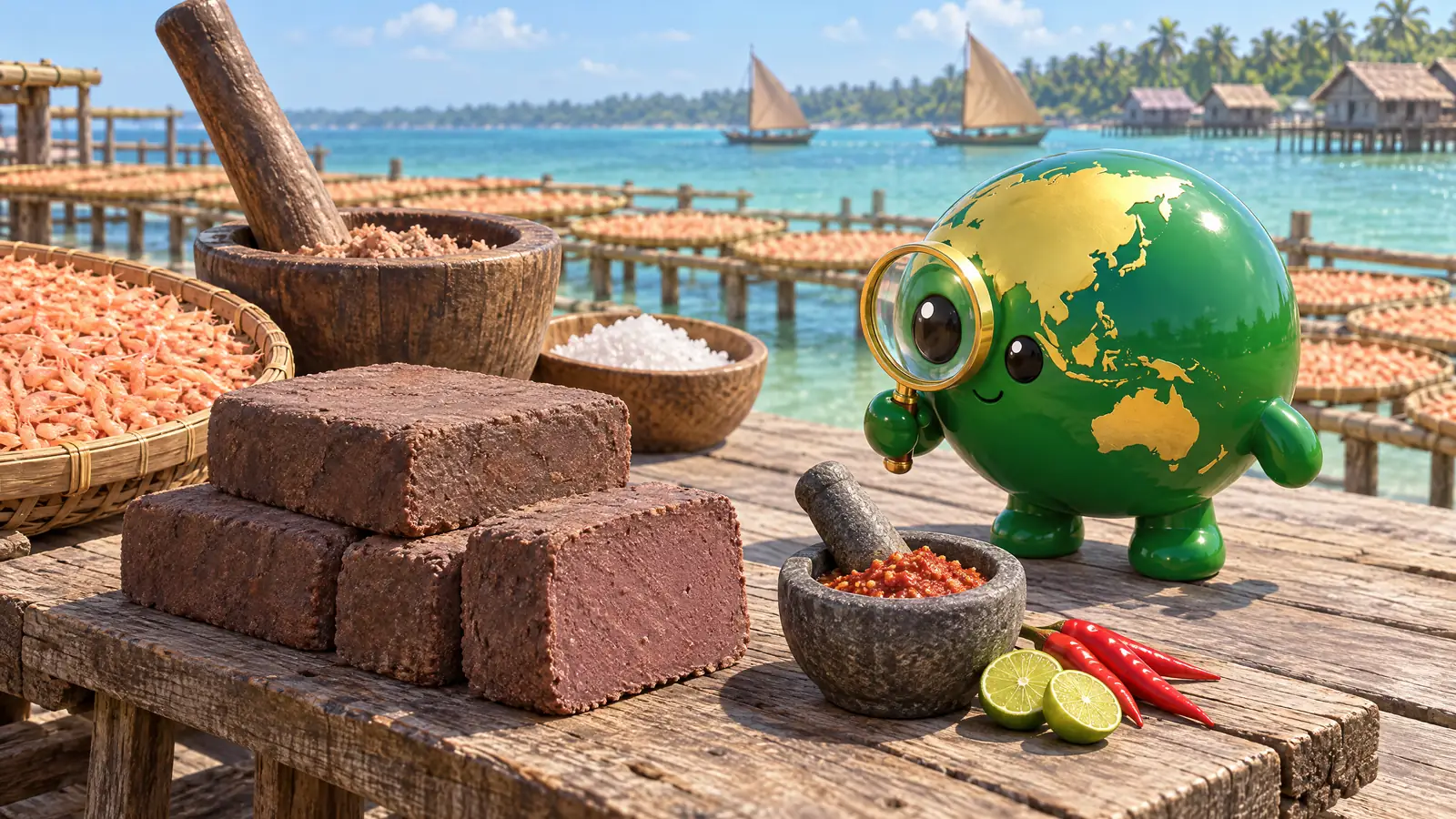
Belacan, terasi, kapi. The paste likely began with the Cham and Mon peoples of mainland Southeast Asia, then spread to the islands under new names.
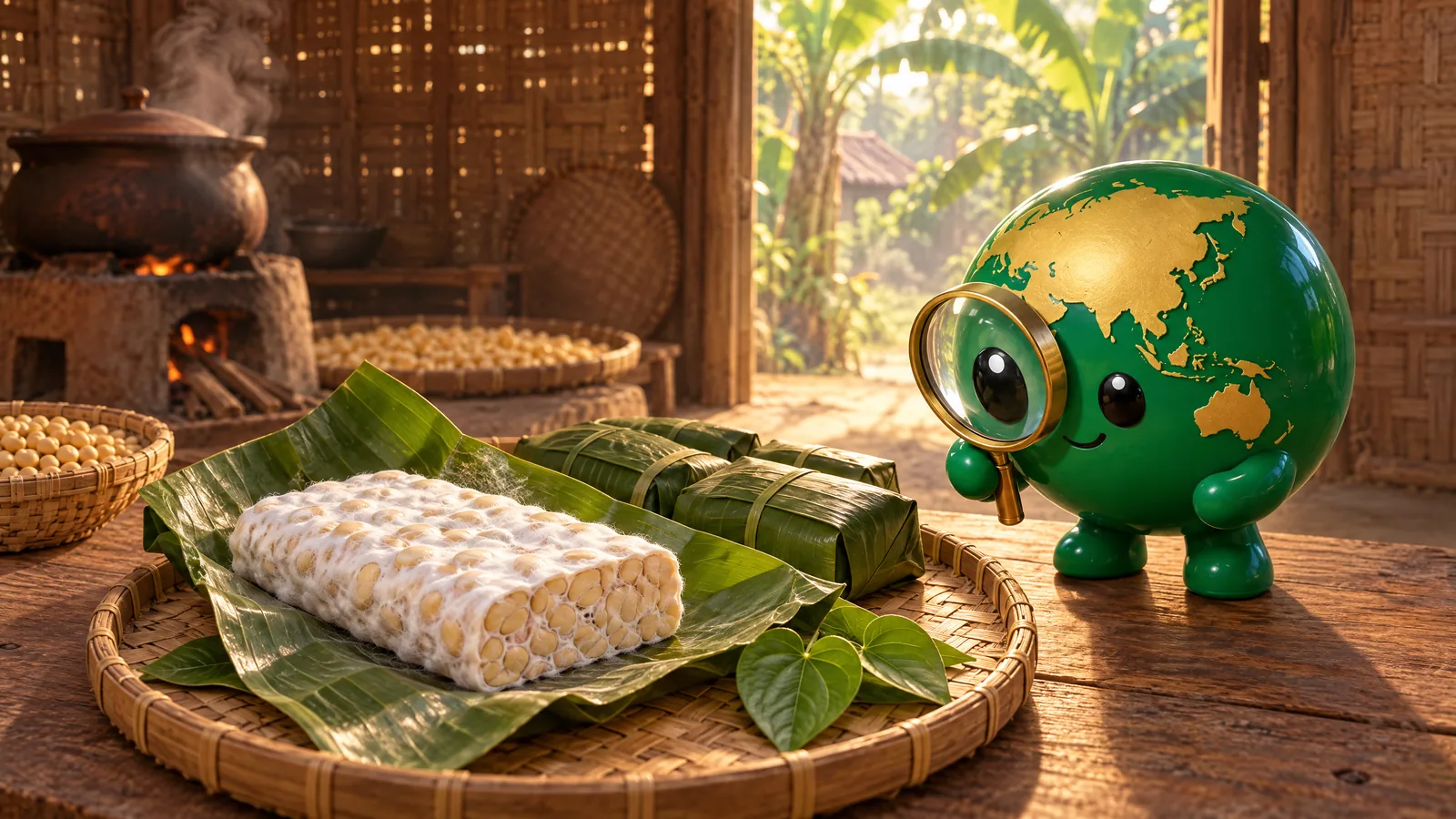
Soybeans wrapped in teak or hibiscus leaves in Central Java likely caught a wild mould. The old Javanese text Serat Centhini already names it.
| Sambal: the sauce that came before the chilli | The name comes from Javanese sambel. Chillies only reached these shores from the Americas in the 1500s, with Portuguese traders. | Indonesia · Malaysia · Singapore · Brunei |
|---|---|---|
| Belacan: one shrimp paste, many names across the region | Belacan, terasi, kapi. The paste likely began with the Cham and Mon peoples of mainland Southeast Asia, then spread to the islands under new names. | Malaysia · Singapore · Indonesia · Brunei · Thailand · Philippines |
| Tempeh: a happy accident wrapped in a leaf | Soybeans wrapped in teak or hibiscus leaves in Central Java likely caught a wild mould. The old Javanese text Serat Centhini already names it. | Indonesia |
A new story publishes every weekday.
The monthly email
Get the best new stories once a month
One short email a month, free.
No spam. Leave with one click, any time.